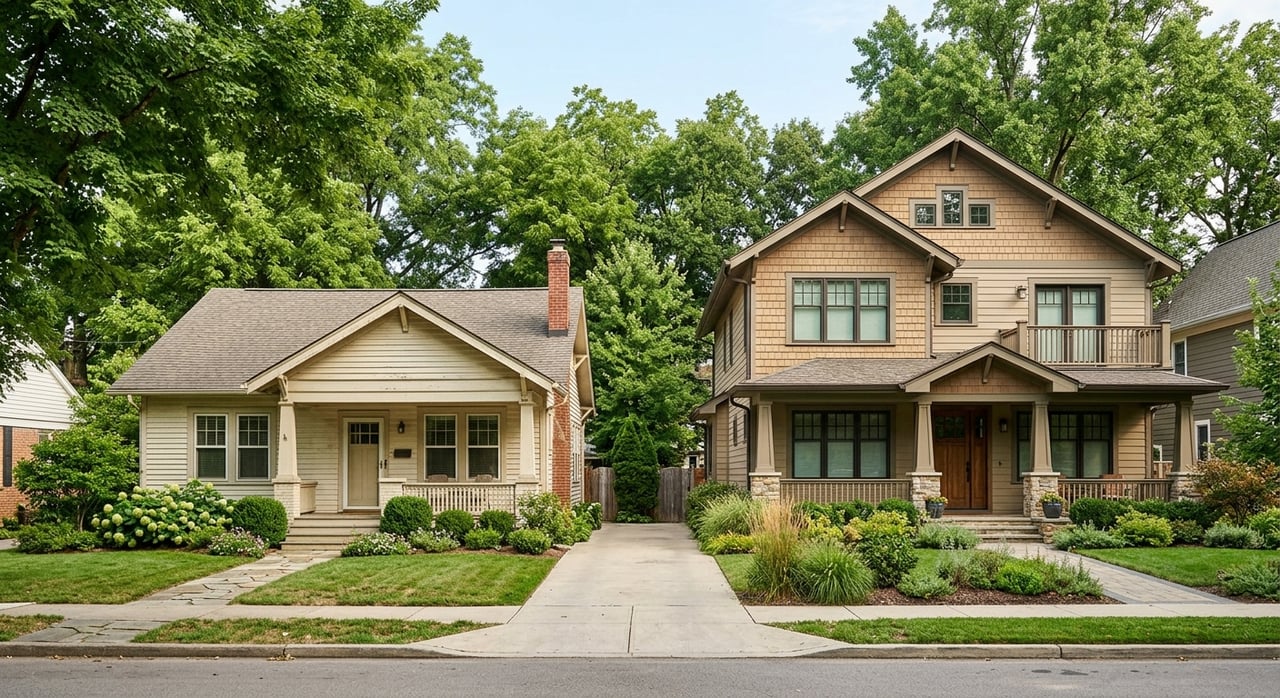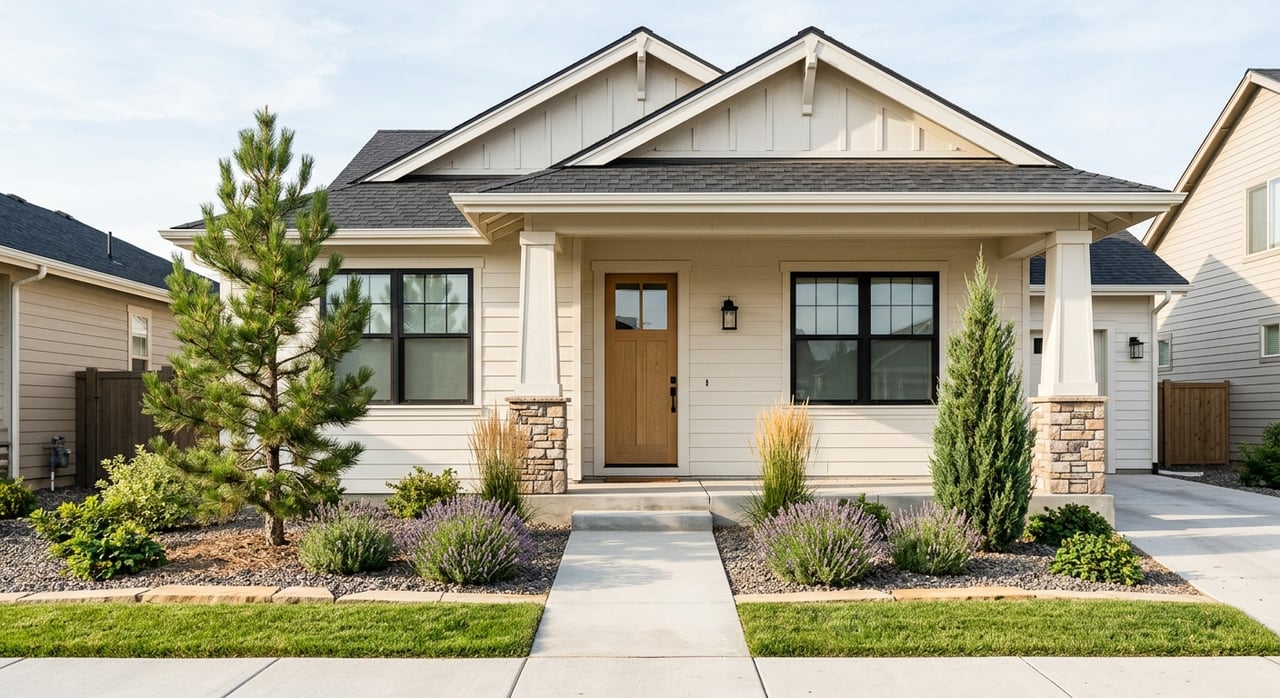
If you own a newer home in one of Erie’s planned communities, pricing it can feel trickier than it looks. A clean, modern house in a fast-growing neighborhood should be easy to value, right? In reality, newer construction often comes with moving targets like builder incentives, lot premiums, upgrades, and limited resale data. The good news is that with the right framework, you can price more confidently and avoid costly missteps. Let’s dive in.
Why pricing newer homes is different
In Erie, many buyers are not just comparing your home to another resale down the street. They may also be comparing it to builder inventory, homes in nearby phases, or similar properties in competing planned communities. That creates a more complex pricing environment than you might see in an older, more established neighborhood.
Erie’s broader market context also matters. The Town of Erie’s 2025 Community Profile reports a 2024 population of 40,183 across a 48-square-mile planning area, with a 2030 population estimate of 48,000. The town also highlights 1,500 acres of parks and open space, 70 miles of trails, 13 neighborhood parks, the Erie Community Center, and the Erie Community Library, all of which help shape buyer demand in newer neighborhoods.
That demand is showing up in pricing, but not in one simple number. Zillow reported an average Erie home value of $725,091 as of March 31, 2026, while Redfin reported a March 2026 median sale price of $767,500. Those figures measure different things, but together they show why careful pricing and positioning matter.
How appraisers look at newer construction
A common mistake is assuming a newer home automatically deserves a premium because it is newer. In practice, appraisers look to the market first. Fannie Mae says comparable sales should be selected based on factors like site, room count, finished area, style, and condition, with adjustments based on the market’s reaction, not arbitrary rules.
That point is especially important in planned communities. The builder’s original pricing sheet may explain what the first buyer paid, but it does not control today’s resale value. If nearby sales do not support that same number, the market will usually win.
Fannie Mae also notes that when there are not enough closed sales within a new subdivision or planned development, appraisers may use a mix of pending sales from the subject project and settled sales from outside it. They may even use older comparables if those are the best indicators of value and the reason is explained. For Erie sellers, that means pricing can become less straightforward when your home is among the first resales in a newer phase.
Condition matters, but it is not everything
Most newer Erie homes will present very well. Under Fannie Mae’s condition framework, very recently built homes often fall into high condition categories like C1 or C2, meaning they are new or nearly new with little to no physical depreciation.
That sounds helpful, but it can actually narrow the pricing gap between homes. If several properties in the same community all show well and have very similar condition, buyers and appraisers start looking more closely at the details that separate them. In many cases, the real value differences come from lot position, floor plan, finished space, and access to amenities rather than condition alone.
Lot premiums can drive real price differences
In Erie’s planned communities, site characteristics often matter more than sellers expect. Fannie Mae specifically treats site as a core factor in comparable sales analysis, which means two similar homes in the same neighborhood can support different values if the lots are meaningfully different.
That can include features like:
- Mountain views
- Larger lot size
- Backing to open space
- Trail access
- Corner location
- Walk-out basement potential
- Less direct adjacency to busy roads or other impacts
This is highly relevant in Erie because local communities are marketed around these distinctions. Flatiron Meadows highlights mountain views and walk-out basements. Colliers Hill emphasizes its pool, amenity center, parks, and trails. Westerly promotes clubhouses, pools, sports courts, event lawns, neighborhood retail, and trail connections.
If your home sits on one of the better lots in the neighborhood, that may support a premium. But that premium still needs to show up in nearby sales, not just in what the builder charged years ago.
Upgrades do not always return dollar for dollar
Many sellers hope their design center choices will translate directly into resale value. Sometimes they help a lot. Sometimes they help less than expected.
Fannie Mae requires appraisals to address upgrades and concessions relative to builder sales and comparable properties. The key takeaway is simple: the market-supported portion of your upgrades is what counts, not the full amount you spent.
In practical terms, buyers often respond most strongly to features that are visible, broadly appealing, and easy to enjoy right away. Examples may include:
- A finished basement
- A well-designed kitchen upgrade package
- Premium flooring
- Extended patio space
- Thoughtful outdoor living improvements
Highly personalized choices can be different. If your finishes are expensive but unusual for the area, or if similar homes have not shown a meaningful price lift, you may not recapture the full cost. Pricing should reflect what buyers in Erie have actually paid for similar features.
Builder incentives can blur the true price
One of the biggest traps in newer construction pricing is comparing your home to a builder’s advertised price without looking deeper. In new subdivisions, builders often use incentives like rate buydowns or other concessions to make a home more attractive.
Freddie Mac notes that market value should reflect a price unaffected by special financing or concessions. Fannie Mae also requires concessions on comparable sales to be adjusted for their market impact. That means a builder’s listed price may not tell the whole story if the buyer also received an incentive package.
For resale sellers in Erie, this matters in two ways:
- You may face direct competition from new builder inventory.
- A builder’s effective net price may be lower than the headline number suggests.
If you ignore that, you risk pricing your home too high relative to what a buyer can get from the builder.
Amenities influence value in Erie
Erie’s appeal is tied closely to its expanding amenity base. The town reports 1,500 acres of parks and open space, 70 miles of trails, and a 99% park-access figure in its community profile. It also highlights major community assets like the recreation center and library.
The town’s annual statistics show continued investment as well, including 6.71 miles of trail expanded or in progress and 67.53 acres of new town-owned open space. Flatiron Meadows, Morgan Hill, and Wildrose are among the areas named as benefiting from that growth.
For buyers considering a planned community, that broader context can support demand. Still, amenities do not create automatic value by themselves. The premium has to be visible in actual nearby sales and buyer behavior.
HOA and metro district costs matter too
When buyers compare homes in Erie’s planned communities, they are usually looking at more than square footage and finishes. They are also weighing the ongoing cost structure tied to the neighborhood.
The Town of Erie’s ONE program explains that metro districts are separate governmental entities with taxing authority. The Colliers Hill park page also notes that the adjacent amenity center and pool are managed by the Colliers Hill Metro District rather than the town.
That means your pricing strategy should account for the full ownership picture a buyer sees. If your neighborhood offers strong amenities but also carries recurring HOA or metro district costs, buyers may balance those factors together when deciding what they are willing to pay.
A smart pricing framework for Erie sellers
If you are planning to sell a newer home in Erie in the next 6 to 18 months, a three-layer pricing approach can be very helpful.
Start with closed resales
Look first at closed resale transactions in your subdivision or in directly competing communities. These often provide the clearest picture of what buyers have recently been willing to pay for a completed home without the builder-sales noise.
If there are very few closed resales, pricing becomes more nuanced. That is often the case in newer phases where the first round of owners is only now starting to sell.
Compare builder inventory carefully
Next, review active builder inventory and any available incentive patterns. A builder offering financing incentives or concessions may be competing at a lower effective price than the list price suggests.
This step is essential because many Erie buyers are comparing resale and new construction side by side. Your home may offer advantages like completed landscaping, window coverings, or a more established streetscape, but it still needs to be priced against real alternatives.
Adjust for lot and finish
Finally, adjust for the details that often drive meaningful price differences in Erie. These include lot size, views, backing conditions, finished basement space, outdoor living features, and overall level of finish.
This is where many pricing strategies either succeed or miss the mark. A strong lot and well-chosen upgrades may support a higher number, but only if the comparable sales show buyers paid more for those same traits.
Why tax value is not listing value
Some homeowners look at their county assessor notice as a starting point for pricing. That can be useful background, but it should not be treated as a substitute for a market-based listing strategy.
Weld County states that the assessor’s role is to discover, list, classify, and value property for tax purposes. Its residential valuation notices also explain that value is based on the market approach within the county’s statutory framework. That serves tax administration, not the same purpose as pricing a home for sale in a live market.
If you want to know what buyers are likely to pay today, you need a current, local analysis that reflects resale competition, builder activity, concessions, and neighborhood-specific value drivers.
When a professional pricing opinion matters most
Some Erie homes are easier to price than others. A professional valuation opinion is especially useful when the data is thin or when your home has features that are hard to match.
You may want extra guidance if:
- Your home is one of the first resales in the phase
- There are few closed comparable sales nearby
- Your lot has a strong view or open-space premium
- You added significant upgrades and want to understand likely recapture
- You are deciding how much prep work to do before listing
In these situations, experience matters. A pricing strategy should reflect not just the data, but how buyers in Erie’s planned communities actually shop, compare, and make decisions.
If you are thinking about selling a newer home in Erie, a careful valuation can protect your momentum and your bottom line. For a thoughtful, local pricing conversation backed by market context, reach out to Janet Leap.
FAQs
How should you price a newer construction resale in Erie?
- Start with recent closed resales in your subdivision or competing planned communities, then compare builder inventory and incentives, and finally adjust for lot, views, and upgrades.
Do builder upgrades add full value to an Erie home resale?
- Not always. Upgrades can help resale value, but the amount depends on whether nearby sales show that buyers were willing to pay more for similar features.
Do lot premiums matter in Erie planned communities?
- Yes. Lot traits like views, backing to open space, trail access, walk-out potential, and lot size can affect value when the market supports those differences.
Can builder incentives affect resale pricing in Erie?
- Yes. Incentives like concessions or rate buydowns can reduce a builder home’s effective price, which can influence how buyers compare your resale to new construction.
Is the Weld County assessor value the same as market value in Erie?
- No. The county assessor values property for tax purposes, which is different from a market-based pricing analysis for an active home sale.
When do you need a professional valuation for a newer Erie home?
- It is especially helpful when there are few comparable sales, your home is among the first resales in a phase, or your property has unique lot or upgrade features that need careful analysis.