Trying to choose between Old Town Longmont and one of the city’s newer neighborhoods? You are not alone. Many buyers love the idea of historic charm and a close-in location, but they also want practical features like newer layouts, planned parks, and easier upkeep. The good news is that Longmont offers both, and the right fit usually comes down to how you want to live day to day. Let’s dive in.
What Old Town Longmont Really Means
In Longmont, “Old Town” is more than a casual label. The city traces its original one-square-mile plan to 1871, centered around Main Street, and identifies the Eastside and Westside National Historic Districts within that historic core, according to the City of Longmont’s history overview.
In practical terms, that means Old Town is tied to Longmont’s earliest street grid and long-established civic spaces. The city points to places like Roosevelt Park, Thompson Park, the Kramer House, and the St. Vrain Memorial Building as part of that historic fabric.
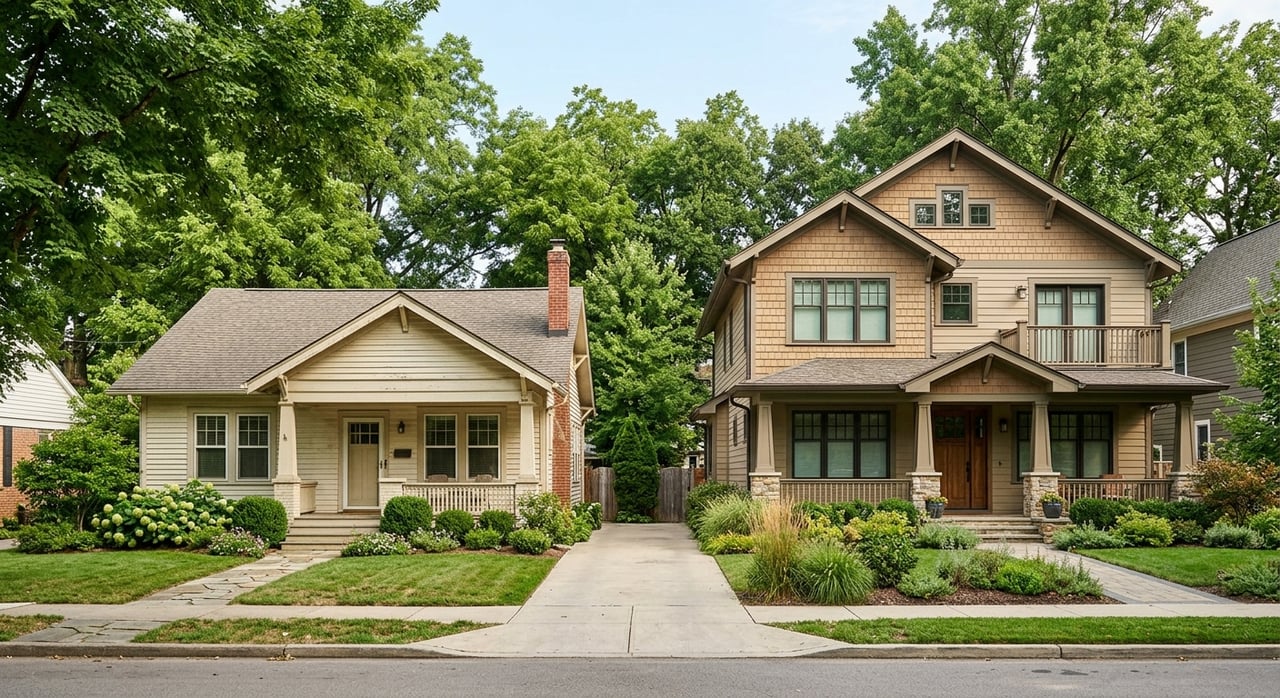
If you are drawn to older homes, mature streets, and a neighborhood pattern that grew over time rather than all at once, Old Town likely holds strong appeal. It tends to feel layered, established, and closely connected to downtown Longmont.
What Newer Longmont Neighborhoods Offer
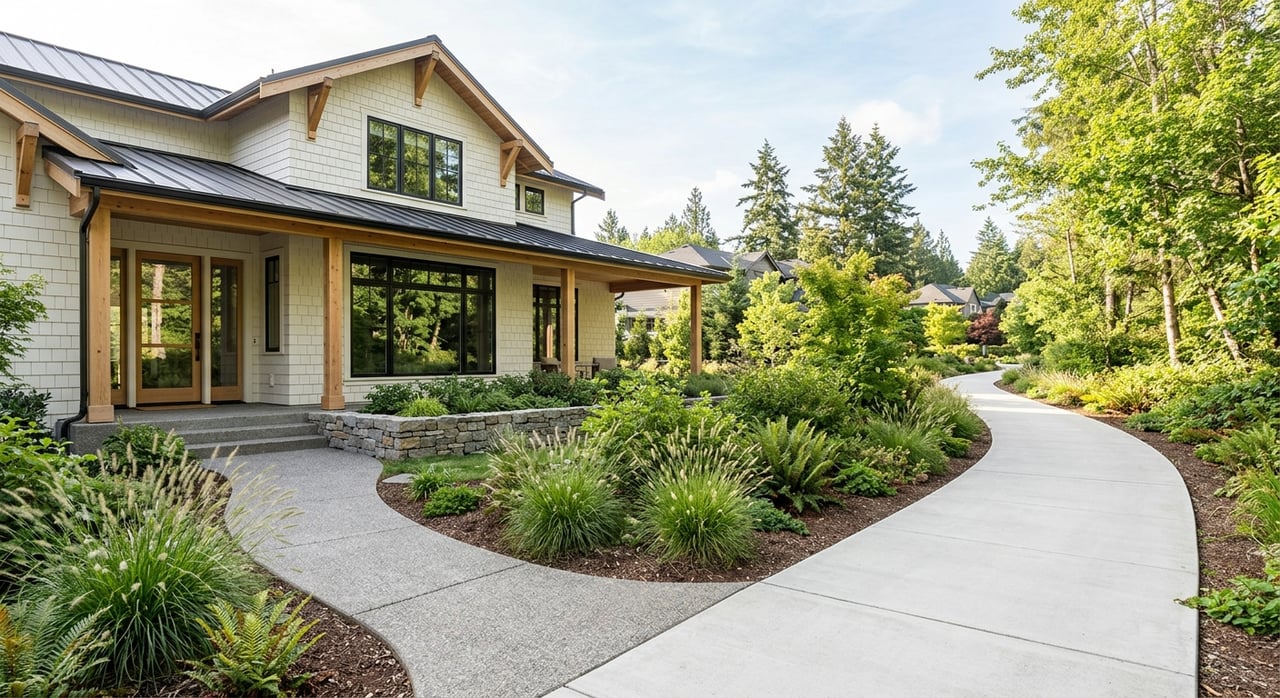
Newer Longmont neighborhoods usually reflect planned growth rather than the original city grid. The city describes newer areas as subdivisions or mixed-neighborhood projects where parks, greenways, and other community features are often built in from the start, as noted in the same Longmont history resource.
A well-known example is Prospect New Town, designed in 1993 as a 77-acre community about two miles south of downtown. According to DPZ, Prospect includes a mix of rowhouses, live/work units, detached homes, and apartments above garage outbuildings, along with retail space.
Current development activity also shows how newer Longmont continues to evolve. The city’s active development log includes examples ranging from small-lot single-family subdivisions to mixed-use plans with homes, townhomes, multifamily housing, parks, retail, and other community-serving spaces.
Lifestyle Comes First
The best way to decide is not to ask which option is better overall. It is to ask which setting better matches your routines, priorities, and budget.
Old Town often works well if you want to be closer to downtown activity, appreciate historic character, and do not mind the realities that can come with an older home. Newer neighborhoods often fit buyers who prefer more predictable layouts, newer construction, and amenities that were planned into the neighborhood from the beginning.
Old Town Pros And Tradeoffs
Historic Character And Central Location
Old Town’s biggest draw is character. Because it is rooted in Longmont’s original plat, the area reflects an older urban pattern rather than a modern subdivision layout, based on the city’s historic preservation and planning materials.
That often translates into a more established feel near downtown, with easy access to civic landmarks and public gathering spaces. The city has also invested in downtown improvements, and its downtown transformation efforts highlight pedestrian, bike, and transit upgrades along with nearby private reinvestment.
Older Homes May Need More Attention
With older housing stock, upkeep can look different than it does in a newer subdivision. The city does not publish a neighborhood-wide lot size survey, but the original grid and historic-district boundaries suggest smaller or less uniform lots are more common in the historic core, based on the city’s planning documents.
For you, that may be a plus if you value individuality and architectural variety. But it can also mean more maintenance, renovation planning, or updates over time compared with a newer home.
Downtown Access Can Be A Real Advantage
If daily convenience matters, Old Town has a strong case. Longmont’s Coffman Street project is designed as the city’s first multimodal corridor, with bus, bike, and pedestrian improvements plus a future transit hub near 1st Avenue and Main Street, according to the city’s Coffman Street mobility project page.
That does not mean every trip becomes car-free. But if you value being closer to central services, downtown businesses, and a more connected street network, Old Town may feel more convenient for everyday life.
Newer Neighborhood Pros And Tradeoffs
Planned Amenities And More Predictable Layouts
Newer neighborhoods often appeal to buyers who want a more planned environment. Based on the city’s development records, these areas are more likely to include formal plats, organized open space, and a wider range of housing types within one coordinated plan.
That can make your home search feel more straightforward. Streets, lot layouts, parks, and neighborhood connections may feel more standardized and easier to compare from one area to another.
Parks And Open Space Nearby
Longmont has strong parks and trails citywide, but newer neighborhoods often make those amenities especially visible. The city says it has roughly 4,570 acres of open space and 94 miles of trails, according to its open space master plan update.
Recent projects like Clover Meadows Neighborhood Park show how newer areas are being built with neighborhood-serving parks in mind. Other examples in newer parts of Longmont include Fox Meadows Neighborhood Park, Nino Gallo Park, and Dry Creek Community Park.
Newer Does Not Always Mean One Style
It is easy to assume all newer neighborhoods feel the same, but Longmont offers more variety than that. Prospect, for example, is distinct from a more conventional subdivision because it mixes home types and retail in a more urban design pattern.
So if you are leaning newer, it is worth comparing several neighborhood types. Some will feel more suburban and park-oriented, while others may offer a more mixed-use or design-forward environment.
Think About Your Commute And Daily Trips
Transportation can have a big impact on your decision. Longmont says RTD serves the city with four local routes and two regional routes, with the BOLT between Boulder and Longmont carrying the most riders, and all local routes are fare-free, according to the city’s bus transit services page.
At the same time, the city’s 2025 transportation plan notes that eastern and western Longmont have limited transit service, and only 4% of commuters use transit, according to the Longmont transportation plan report. That means neighborhood location still matters if you want easier access to buses, bike routes, or shorter local trips.
If you work in Boulder, need regional connections, or want to stay close to Main Street services, a more central location may carry extra value. If you are driving most places anyway, a newer neighborhood farther from the historic core may feel just as practical.
Budget Matters In This Choice
This is not only a lifestyle decision. It is also a budget and priorities decision.
The U.S. Census QuickFacts for Longmont lists the median value of owner-occupied housing units at $541,400 for 2019 through 2023. The city also notes that housing for households at or below 80% of area median income has been out of reach since the early 2010s, which adds important context to local affordability.
For many buyers, the tradeoff is not simply old versus new. It is often character and centrality on one side versus newer construction and planned amenities on the other. Your best move is to decide which features matter most before you start narrowing neighborhoods.
A Simple Way To Decide
If you are weighing both options, use this checklist:
- Choose Old Town Longmont if you value historic character, a central location, downtown access, and a neighborhood that feels established and unique.
- Choose a newer Longmont neighborhood if you value newer construction, more predictable layouts, planned parks, and a more master-planned setting.
- Compare your likely weekly routine, not just the home itself.
- Think honestly about maintenance tolerance and renovation appetite.
- Factor in your commute, favorite parks, and how often you want to be near downtown.
The right answer is personal. In Longmont, both choices can work beautifully when they match the way you actually live.
If you want help comparing specific Longmont neighborhoods, home styles, or current opportunities, Janet Leap can help you sort through the details and make a confident decision.
FAQs
What is considered Old Town Longmont?
- Old Town Longmont generally refers to the city’s original historic core tied to the 1871 one-square-mile plan around Main Street, including the Eastside and Westside National Historic Districts identified by the City of Longmont.
Are newer Longmont neighborhoods only suburban subdivisions?
- No. Some newer areas follow a more traditional subdivision pattern, while places like Prospect New Town include a mix of housing types and retail in a planned neighborhood setting.
Is Old Town Longmont closer to downtown amenities?
- Yes. Old Town is more closely tied to downtown Longmont and nearby civic spaces, and the city has invested in multimodal improvements in that central area.
Do newer Longmont neighborhoods have better parks?
- Not necessarily better, but newer neighborhoods often have parks and trail links planned into the development pattern, while Old Town benefits from long-established civic parks and citywide access to trails and open space.
Is transit easier from central Longmont neighborhoods?
- In many cases, yes. Longmont’s transit network includes Main Street and Boulder connections, while the city reports more limited service in eastern and western parts of Longmont.
How should homebuyers choose between Old Town and newer Longmont neighborhoods?
- Start with your lifestyle priorities, including character, maintenance comfort, commute needs, proximity to downtown, and whether you prefer historic homes or newer planned communities.