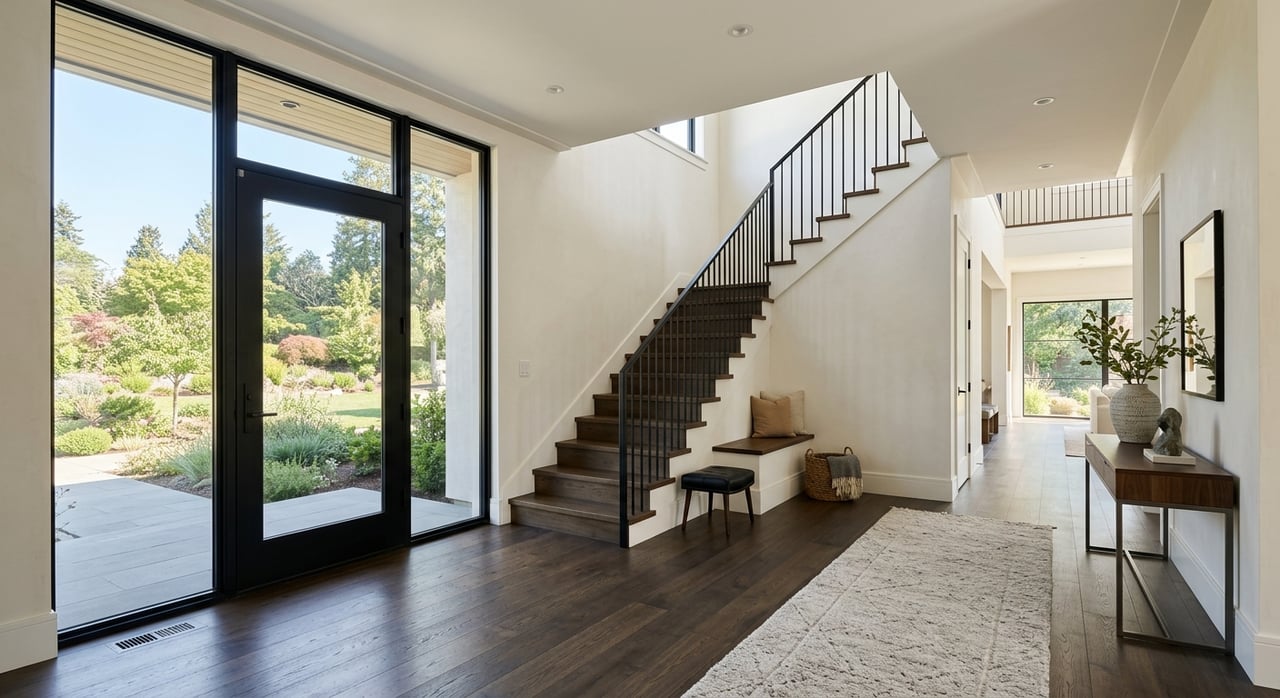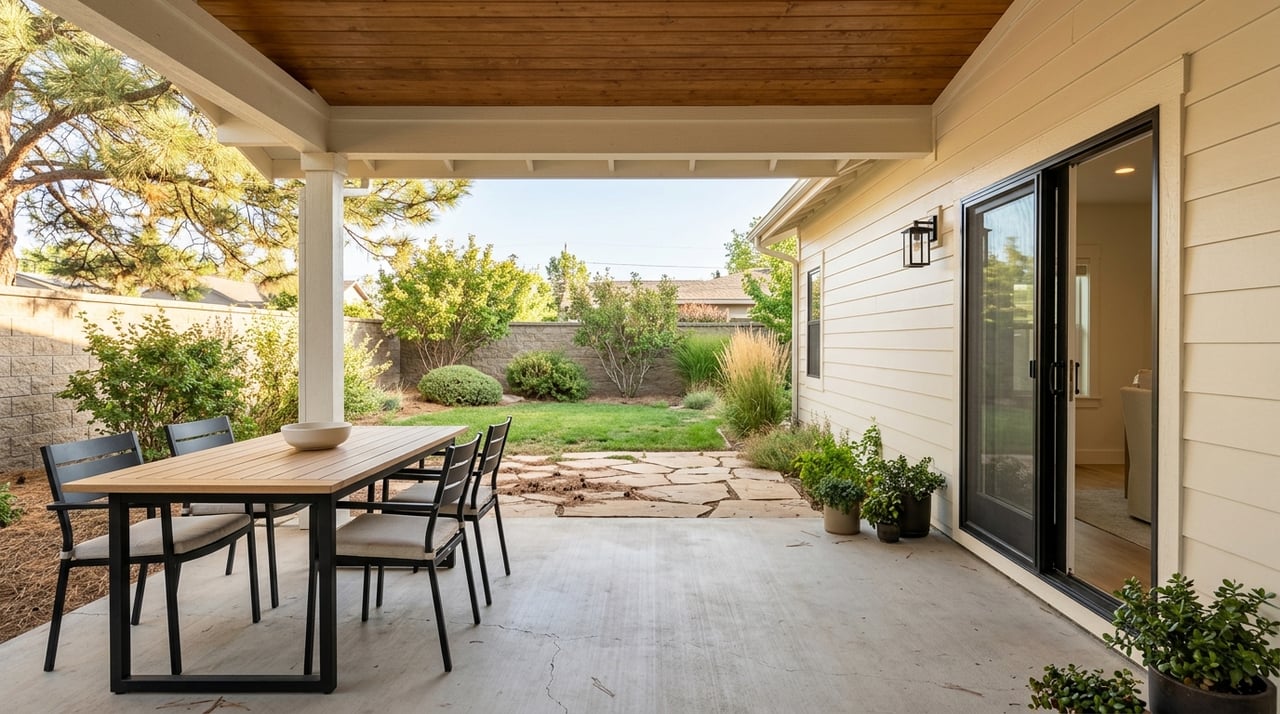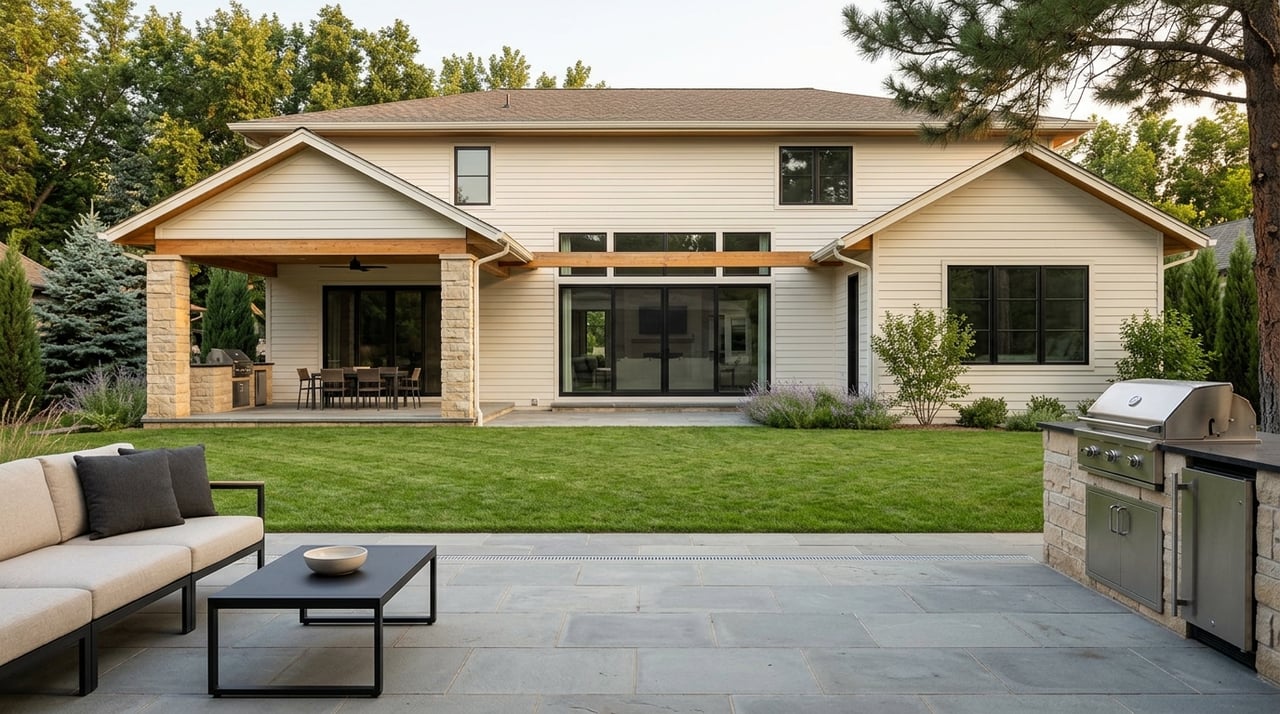
If you are searching for luxury in Erie, you may notice something right away: the most compelling properties are not defined by one official label. In this part of Colorado, estate living is often about space, privacy, views, and flexibility more than a formal category. That can make it harder to know what truly sets an estate property apart, whether you are buying or preparing to sell. In this guide, you will learn what estate-style living looks like in Erie, how the local market supports premium value, and what features matter most. Let’s dive in.
What Makes an Estate Property in Erie?
In Erie, an estate property is best understood through a mix of land, setting, and home quality rather than a single legal definition. The town’s planning documents point to larger lots, lower density, and edge-of-town settings near open land or agricultural areas as key characteristics of more estate-like housing.
According to the Town of Erie’s Comprehensive Plan, Residential-Rural development typically includes half-acre-and-up lots with very low density. These areas are often positioned near agricultural land or open space and may allow uses tied to a more rural lifestyle, such as homesteading, crop growing, or keeping large animals where permitted.
That does not mean every estate-style home in Erie sits on a half-acre or more. Erie’s Water Dedication Guide classifies single-family large lots as properties over 7,000 square feet, which gives a practical baseline for what the town considers bigger-lot housing. In the local market, buyers often view estate appeal as a spectrum rather than a strict cutoff.
Lot Size Matters, But It Is Not Everything
A larger lot is usually the starting point for estate value in Erie, but it is not the whole story. What really drives demand is how that lot functions and feels once you are on the property.
Buyers are often drawn to homes that offer:
- Greater separation from neighboring homes
- Wider setbacks and a stronger sense of privacy
- Long-distance view corridors
- Space for outdoor living
- Flexibility for accessory structures, depending on local rules
- A setting that feels calm and connected to open land
In other words, estate living in Erie is often tied to site experience. A well-positioned home with room to breathe can feel more estate-like than a larger house on a tighter lot.
Why Erie Supports Estate-Style Living
Erie has a market and landscape that make this kind of property especially appealing. The town’s 2025 community profile reports 40,183 residents, a $163,644 median household income, 1,500 acres of parks and open space, and 70 miles of trails.
Those numbers help explain why buyers are willing to pay more for homes that offer both comfort and connection to the outdoors. Erie blends suburban convenience with a rural-edge feel that is harder to find in more built-out markets.
The town also notes on its Open Space & Trails page that open lands help preserve long-distance views, rural character, agricultural activity, and visual separation between built areas. For estate buyers, that matters. The value is not only in the home itself, but also in the surrounding setting.
Open Space Adds Premium Appeal
In Erie, premium pricing is often supported by what surrounds a property. Open-space adjacency, trail connections, and preserved views can make a home feel more private and more distinctive.
The town’s trail system is designed to connect neighborhoods, activity centers, and regional trails. Erie also reports 13 neighborhood parks, 1 community park, 1 dog park, 1 skate park, 1 18-hole golf course, 1 singletrack trail system, and 99% park access within one mile in its community profile.
For buyers looking at higher-end homes, these amenities support a lifestyle that feels both active and spacious. That combination is a big part of Erie’s luxury appeal.
How Erie Compares to Boulder County
Erie occupies an interesting position in the broader luxury conversation. It offers access to larger settings and premium homes while often sitting below the pricing seen in some of Boulder County’s most expensive areas.
As of March 2026, Realtor.com’s Erie market data showed a median listing price of $789,000, 212 active listings, and a median 36 days on market. Homes sold for about 1.05% below asking on average, and the market was described as a seller’s market.
By comparison, Boulder County’s overview showed a $778,000 median listing price overall, with the City of Boulder at $997,000, Niwot at $1.549 million, and Pine Brook Hill at $2.6 million. That gives you useful context. Erie can compete on lifestyle, land, and setting, even when it is not priced like Boulder’s highest luxury enclaves.
Another detail stands out. Erie’s median listing price per square foot was $240, compared with $408 in Boulder County and $546 in the City of Boulder, according to Realtor.com’s local market data for Erie. That suggests Erie’s premium value often comes from the overall property experience, especially land and surroundings, not just the interior price per square foot.
Where Higher-End Pricing Shows Up in Erie
Within Erie, some neighborhoods have posted higher median listing prices than the town overall. Realtor.com’s Erie market page identified Anthem, Anthem Highlands, and Preble Creek among the higher-priced neighborhoods, with median listing prices around $922,000 to $949,000.
That does not mean every luxury or estate-style property will be found in those areas, and it does not mean every home there fits the estate profile. Still, it shows where buyers have been willing to pay a premium for larger homes, stronger settings, and upgraded finishes.
Features Buyers Expect in an Erie Estate Home
When buyers evaluate estate-style homes in Erie, they are usually looking for a combination of property scale and finish quality. The strongest listings tend to pair a desirable site with thoughtful design and presentation.
Features that often stand out include:
- Expansive lots or more usable yard space
- Outdoor entertaining areas
- Mountain or open-space views
- Strong separation between indoor and outdoor living zones
- High-end kitchens, baths, and materials
- Floor plans that support multigenerational living, guests, or work-from-home needs
- Garage, storage, or accessory-space flexibility where allowed
For sellers, the key is to present the home as more than square footage. Buyers in this segment are often responding to how the property lives day to day.
Selling an Estate Property in Erie
If you are selling an estate-style property, marketing strategy matters just as much as pricing. In Erie, where land and setting are major value drivers, buyers need to see the full story clearly from the start.
That means highlighting:
- Lot size and layout
- Privacy and setbacks
- Views and open-space relationships
- Outdoor living areas
- Interior finish level
- The overall lifestyle the property offers
Presentation is especially important in higher-end sales. According to the National Association of Realtors 2025 Profile of Home Staging, 83% of buyers’ agents said staging made it easier for buyers to visualize a property as a future home.
The same report found that 17% of buyers’ agents saw a 1% to 5% increase in dollar value offered on staged homes, and 30% of sellers’ agents reported slight decreases in days on market when a home was staged. For an estate listing, that makes staging, photography, video, and property preparation hard to ignore.
Exposure Versus Privacy
Some luxury sellers want the widest possible exposure, while others care more about privacy and control. Both goals can shape your listing strategy.
The NAR Consumer Guide to Alternative Listing Options explains that MLS exposure helps sellers reach the largest pool of buyers and can syndicate listings to public-facing websites. It also notes that office-exclusive or delayed-marketing options may appeal to sellers who prefer more limited exposure.
For an Erie estate property, the right approach depends on your goals. If your priority is maximum reach, broad distribution may make sense. If discretion matters more, private showings and a more controlled rollout may be worth discussing.
Why Local Guidance Matters
Estate-style homes are not always easy to price because they are not defined by one simple formula. Two properties with similar square footage can perform very differently based on lot placement, views, privacy, and relationship to open space.
That is why local knowledge matters. In Erie, the details that influence value are often tied to land use, neighborhood context, and how the property compares with both local inventory and nearby Boulder County alternatives.
If you are buying, that perspective helps you judge whether a premium is justified. If you are selling, it helps you position the property correctly and market it in a way that reflects what makes it special.
Whether you are looking for more land, more privacy, or a more tailored selling strategy, working with an experienced local advisor can make the process much clearer. If you are considering a move in Erie or the surrounding Front Range, connect with Janet Leap to request a free home valuation or talk through your next step.
FAQs
What counts as an estate property in Erie, Colorado?
- In Erie, estate property usually refers to a home with a larger lot, more privacy, stronger views, and greater site flexibility rather than a formal legal category.
What lot size feels estate-like in Erie?
- Erie’s planning documents describe Residential-Rural housing as generally half-acre-and-up, while the town’s Water Dedication Guide identifies large lots as those over 7,000 square feet.
Are estate homes in Erie a separate zoning class?
- Erie’s available town documents do not present estate homes as a separate formal class, but they do define larger-lot and lower-density housing patterns that shape how estate-style properties are understood.
How does Erie compare with Boulder County for luxury homes?
- Erie’s median listing price is close to Boulder County overall, but pricing in places like Boulder, Niwot, and Pine Brook Hill is higher, while Erie often offers more value through land, setting, and open-space access.
What features add the most value to an estate home in Erie?
- Lot size, privacy, setbacks, views, outdoor living space, and high-quality finishes are among the most important value drivers for estate-style properties in Erie.
How should you market an estate property in Erie?
- Estate listings generally benefit from strong staging, professional photography, video, and a clear strategy around MLS exposure versus privacy, depending on the seller’s goals.