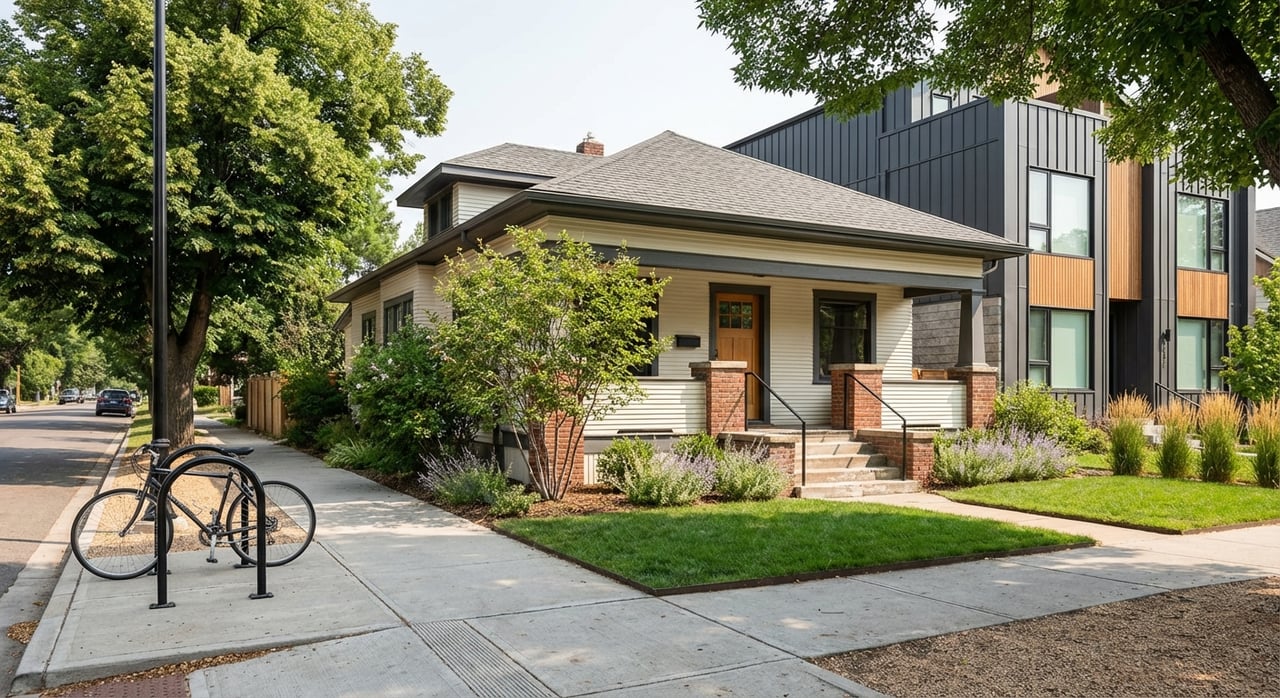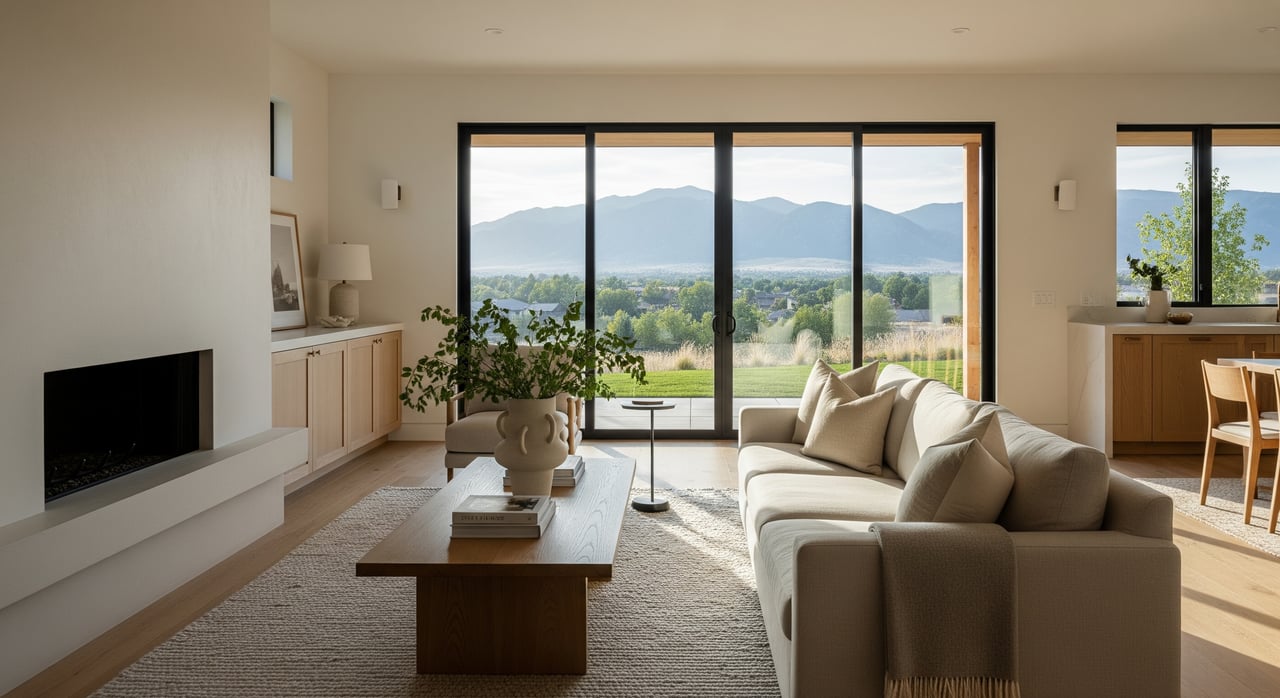
Thinking about selling your Longmont home and wondering where to spend your prep budget? You’re not alone. With a mix of older neighborhoods and newer builds across Boulder County, it can be hard to know which fixes matter most to buyers. This guide shows you how to focus on the updates that move the needle, avoid projects that won’t pay off, and get market-ready with confidence. Let’s dive in.
What Longmont buyers prioritize
Longmont attracts commuters to Boulder and Denver, families who value the St. Vrain Valley School District boundaries, outdoor enthusiasts, and downsizers who want single-level ease. Many buyers want move-in readiness and low immediate maintenance.
That means you’ll get more traction by removing uncertainty, presenting clean and bright spaces, and highlighting everyday livability. Focus on items that improve first impressions, photos, and inspection outcomes.
How this shapes your spend plan
- Reduce risk by addressing obvious repairs and system concerns.
- Maximize appeal with neutral paint, flooring refreshes, and updated lighting.
- Showcase lifestyle assets like yard space, storage, home office potential, and outdoor living.
Tier A: Low-cost, high-impact fixes
Start here. These items often deliver the strongest return on time and dollars spent.
- Declutter and deep clean. Clear surfaces and closets so rooms feel larger and brighter.
- Neutral interior paint. Fresh, light tones help buyers picture their own style.
- Update fixtures and hardware. Modern lights, door handles, and switch plates lift the whole space.
- Flooring refresh. Steam clean carpets, fix squeaks, and replace badly worn areas with budget-friendly options.
- Complete minor repairs. Fix leaky faucets, sticky windows, loose railings, and replace burned-out bulbs.
- Boost curb appeal. Mow, trim, tidy beds, and repaint the front door if needed; add seasonal planters for a welcoming entry.
- Invest in presentation. Professional photos, accurate room measurements, and virtual staging can convert more showings into offers.
Tier B: Strategic mid-range updates
Choose these based on your comps and condition. They help your home compete with updated listings.
- Kitchen refresh. Paint or reface cabinets, add modern hardware, update a dated backsplash, or replace counters if they are clearly worn.
- Bathroom refresh. Replace faucets and vanity lights, re-grout, reglaze stained tubs, and consider a new vanity if the space feels tired.
- Flooring replacement in high-traffic areas. Aim for durable, cohesive materials where wear is obvious.
- Smart, visible system touches. A programmable thermostat and well-documented HVAC and water heater service records build buyer confidence.
- Staging for unique layouts or higher-end homes. Physical staging can clarify furniture placement and lifestyle.
Tier C: Major projects to evaluate
Large renovations take time and rarely return dollar-for-dollar for a near-term sale. Consider them only when they are expected in your price band, required for safe lending, or you plan to enjoy them if your timeline changes.
- Full kitchen or bath remodels, additions, major structural changes.
- Full window replacements or a new roof unless condition requires it.
- Replacing HVAC or sewer lines if failing or flagged by inspection.
If a pre-listing inspection reveals a big issue, addressing it can prevent financing delays and tough renegotiations.
Outdoor and climate-specific tips
Colorado’s high UV and low humidity can age exteriors faster. In Longmont, buyers also watch for snow and freeze readiness.
- Exterior paint and trim. Touch up sun-faded areas and repair peeling or cracked surfaces.
- Roof and gutters. Clean gutters, confirm proper drainage, and address visible wear. Buyers value a roof with documented remaining life.
- Landscaping. Tune irrigation, trim overgrowth, and define beds with fresh mulch or rock. Keep pathways clear during winter showings.
- Views and outdoor living. If you have foothill or mountain views, clean windows and stage a tidy seating area to frame the outlook.
Energy and comfort upgrades that resonate
Energy efficiency is attractive in Boulder County. If timing and budget allow, consider targeted improvements that show well.
- Smart thermostat and insulation tune-ups. Small changes that highlight comfort and efficiency.
- System documentation. Provide service records and any warranty details for HVAC and water heater.
- Check current rebates and credits. Programs from utility providers and government sources change often. Confirm requirements before investing in major upgrades.
Pre-list inspections, permits, and disclosures
A smooth sale starts with clean paperwork and fewer surprises.
- Pre-listing inspections. A general home inspection and roof check can surface issues early and help you plan repairs or pricing.
- Permits. Many structural, electrical, plumbing, and HVAC projects require City of Longmont permits. Verify before you start work.
- Disclosures. Colorado requires sellers to disclose known material facts and complete standard disclosure forms. Federal lead-based paint rules apply for homes built before 1978.
- Radon. Elevated radon is common in Colorado. Testing and mitigation are routine buyer topics. Disclose any known results or systems.
- HOA. If your home is in an HOA, review exterior change rules for paint, landscaping, fencing, and approvals.
- Flood and fire context. If your property is near creeks or has past smoke or fire-related repairs, disclose what you know and keep documentation.
What to spend and when
There is no one-size budget. Use nearby comparable sales to set expectations.
- Start small. Cosmetic fixes, cleaning, and minor repairs typically yield strong value fast.
- Be strategic in kitchens and baths. Refreshes often beat full remodels for near-term sales.
- Manage risk. Replacing failing systems can reduce buyer objections and finance issues even if list price stays similar.
- Think time-to-sell. Modest upgrades that help you compete now may cost less than months of price reductions.
Hiring the right help
The right vendors keep you on budget and on schedule.
- Get at least three written bids for major work, and verify licensing and insurance.
- Confirm permits in advance and decide who will pull them.
- Set clear start and completion dates, payment milestones, and written warranties.
- For punch-list items, a skilled local handyman can efficiently bundle small tasks.
- Keep a home-improvement binder with receipts, permits, warranties, manuals, and service records to share with buyers.
Your 8-week prep timeline
Use this as a guide and adjust for season and scope.
6 to 8 weeks before listing
- Order a comparative market analysis with a local agent to align price and scope.
- Consider a pre-listing inspection to identify issues early.
- Collect bids for needed repairs or upgrades.
- Start exterior projects if weather allows, such as paint touch-ups and landscaping.
3 to 4 weeks before listing
- Complete priority repairs and mid-range refreshes.
- Deep clean and declutter; arrange off-site storage if needed.
- Paint high-impact rooms: living spaces, kitchen, and the primary bedroom.
- Finalize your staging approach, virtual or physical.
1 to 2 weeks before listing
- Schedule professional photography and ensure windows are spotless.
- Finish punch-list tasks: hardware, lighting, caulk, and fresh towels in baths.
- Compile your documentation: disclosures, permits, warranties, utility info, HOA docs.
On market
- Keep the home showing-ready and coordinate quick access for contractors.
- Respond promptly to buyer questions and inspection items.
Quick smart-spend checklist
Use this to stay focused on what matters most.
Safety and essentials
- Fix loose railings and trip hazards.
- Confirm smoke and carbon monoxide alarms work.
Presentation
- Neutral paint, deep clean, and carpet cleaning.
- Update lighting and door hardware for a cohesive look.
Exterior
- Tidy landscaping and touch up exterior paint.
- Clean gutters and assess roof condition.
Systems and documentation
- Service HVAC and check water heater and plumbing.
- Gather service records and warranties; consider a radon test and disclose results.
Legal and procedural
- Complete Colorado seller disclosures.
- Verify that past work was permitted and collect documentation.
Final thoughts
Selling smart in Longmont means spending where buyers notice and where inspections go smoothly. Start with low-cost updates, layer in targeted refreshes that fit your comps, and document everything. When you want a clear plan tailored to your neighborhood and timeline, reach out to the local team that blends data, design, and execution.
Have questions or want a custom prep plan for your home? Connect with Janet Leap to request a free home valuation and a room-by-room strategy.
FAQs
How much should I spend before listing my Longmont home?
- Start with low-cost cosmetic fixes and minor repairs, then consider mid-range refreshes that match local comps; use a comparative market analysis to guide larger investments.
Do I need permits for upgrades in the City of Longmont?
- Structural, electrical, plumbing, and some HVAC work typically require permits, so check with the City of Longmont Building Division before starting.
Should I do a full remodel before selling in Boulder County?
- Full remodels rarely pay off for short timelines; targeted kitchen and bath refreshes usually deliver better value unless comps clearly demand full updates.
Is a pre-listing inspection worth it for an older Longmont property?
- Yes, it can surface issues early, help you prioritize repairs, and reduce renegotiations or financing delays once you are under contract.
What should I know about radon when selling in Colorado?
- Elevated radon is common statewide; testing and mitigation are routine, and you should disclose any known test results or existing mitigation systems.