Choosing between North Boulder and South Boulder is not just about a map. It is about how you want your daily life to feel, from the kind of streets you drive or walk each day to how close you want to be to parks, trailheads, shops, and different types of homes. If you are trying to decide which part of Boulder fits you best, this guide will help you compare the biggest lifestyle and housing differences in a practical way. Let’s dive in.
How Boulder Defines North and South
North Boulder and South Boulder are both city subcommunities, but Boulder does not draw those areas based on lifestyle alone. The city defines subcommunities using physical boundaries like roads, waterways, and topography.
That matters because the line between North and South Boulder is not a simple personality test. Instead, the better question is how each area functions in everyday life, including housing style, access to outdoor space, and where daily errands naturally happen.
Housing Style Feels Different
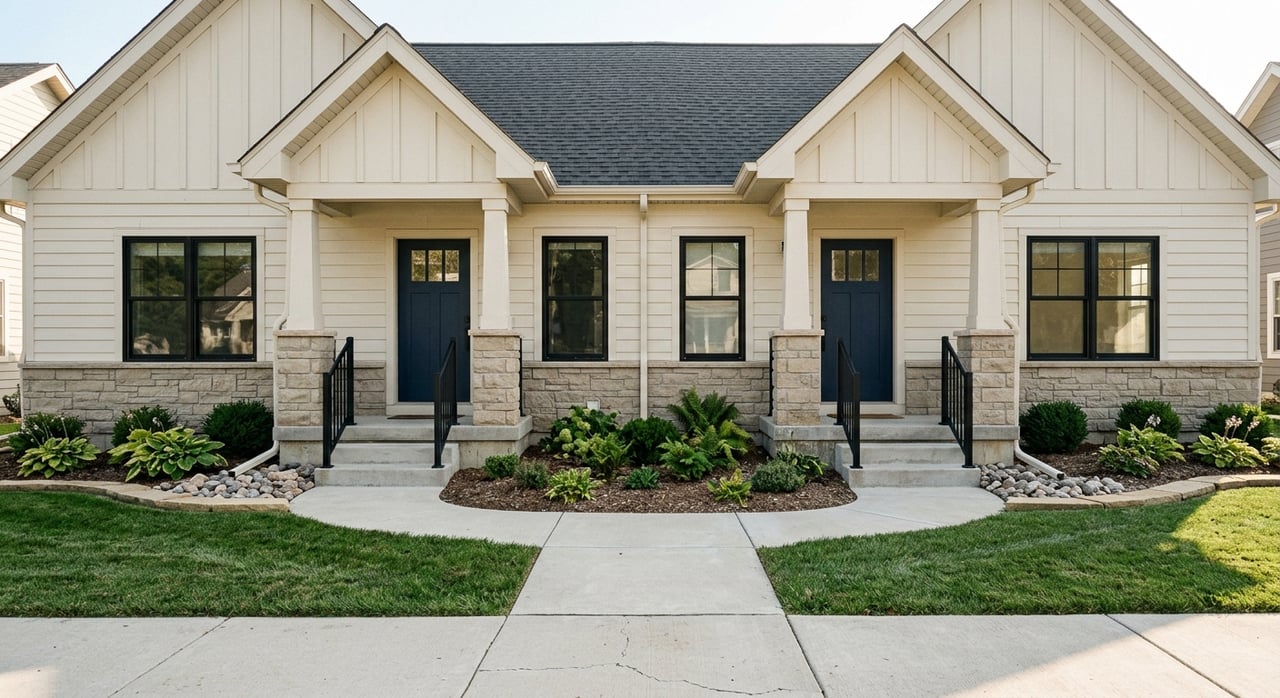
For many buyers, the clearest difference between North Boulder and South Boulder is the housing stock. Even before you compare specific homes, each area tends to create a different first impression.
North Boulder Has More Variety
City planning materials describe North Boulder as an eclectic area with a mix of housing types, lot sizes, and street patterns from different eras. The city’s baseline factsheet shows 6,080 dwelling units and a mix that includes single-family detached homes, attached homes, multi-family housing, and manufactured housing.
In practical terms, North Boulder often appeals to buyers who want more choice in home style and neighborhood form. It can feel less uniform from block to block, which some buyers love because it gives them a broader range of options and a more layered neighborhood character.
South Boulder Feels More Consistent
South Boulder developed primarily in the 1950s and 1960s. City materials describe established neighborhoods such as Martin Acres and Table Mesa North and South, with planning documents pointing to low-density suburban development, curving streets, loop roads, cul-de-sacs, and larger-lot single-family homes.
Martin Acres is also described as largely ranch-style and modest in scale. Overall, South Boulder tends to feel more consistently postwar and more single-family oriented than North Boulder.
Outdoor Access Shapes Daily Life
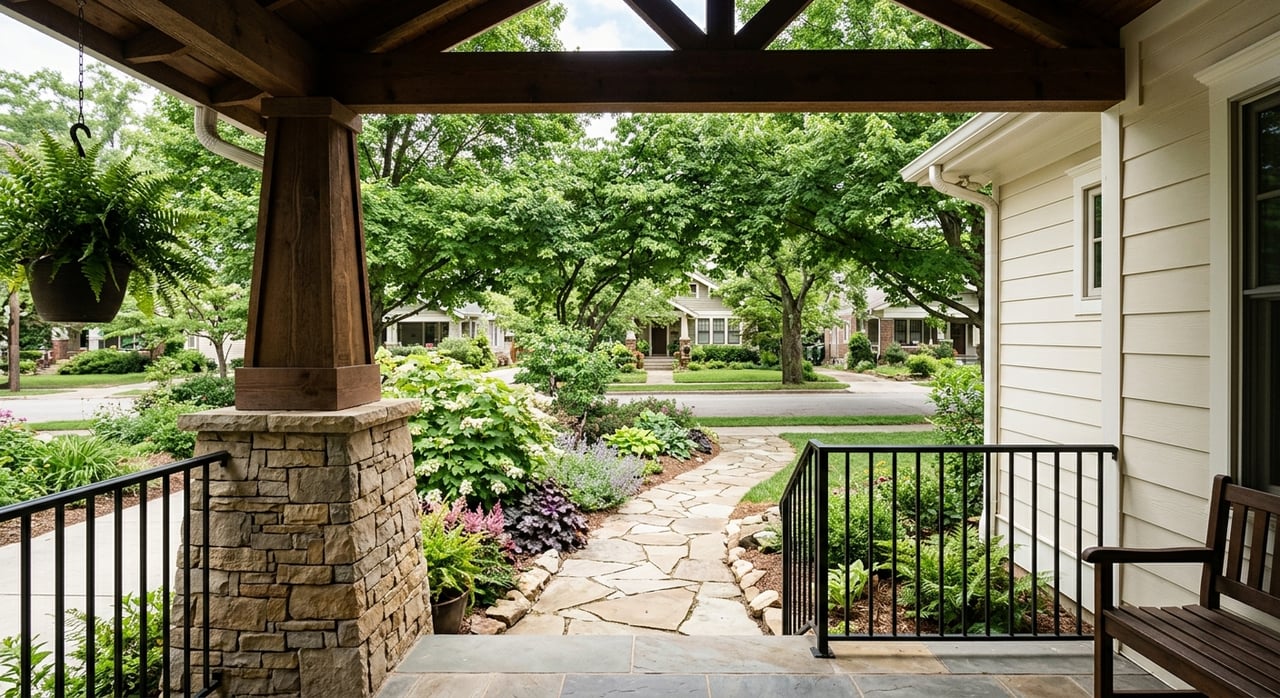
Both North and South Boulder offer strong access to the outdoors, but they do it in different ways. Your experience may depend on whether you picture yourself heading to a nearby park or setting out directly from a major trailhead.
North Boulder Leans Park-Oriented
North Boulder offers neighborhood outdoor amenities along with trail connections. Wonderland Lake Trailhead provides access to Wonderland Lake, South Foothills trails, and the Foothills Nature Center.
The Foothills South trail is wide, smooth, and nearly flat, and North Sky Trail now connects Foothills North in north Boulder to Joder Ranch Trail beyond the city. These features can make North Boulder attractive if you want a mix of everyday green space and approachable trail options.
South Boulder Leans Trailhead-Oriented
South Boulder is more trailhead-heavy. South Boulder Creek Trail is creekside and mobility-friendly, while South Mesa provides access to many trails and South Boulder Creek.
The NCAR-Table Mesa route connects NCAR to Table Mesa Road, and the Mesa Trail links into nearly all canyon trails below the Flatirons. South Boulder Peak, the city’s highest summit, is also reached from this broader trail network through Mesa Trail and Shadow Canyon.
The Numbers Support That Difference
The city’s baseline factsheets help show the contrast. North Boulder has 2 trailheads and 12 parks, while South Boulder has 9 trailheads and 6 parks.
That suggests North Boulder may feel more centered on parks and neighborhood recreation, while South Boulder may feel more tied to direct open-space access and bigger trail systems. If outdoor time is a major part of your routine, this distinction can be one of the most useful ways to narrow your search.
Daily Conveniences Are Not the Same
Lifestyle is also shaped by where you run errands, use community spaces, and spend time close to home. North and South Boulder each have a different everyday center of gravity.
North Boulder Has a Mixed-Use Feel
In North Boulder, the city identifies North Broadway as the primary main-street commercial district. Business areas are within walking distance of residential areas, which can support a more neighborhood-scaled rhythm for daily life.
North Boulder also has a recreation center at 3170 Broadway, plus North Boulder Park and Foothills Community Park. Foothills Community Park spans 65.2 acres and includes multiple recreation amenities, adding to the area’s park-focused identity.
The area also has an evolving planning story. A 2024 amendment adds a Creative Campus and North Boulder Arts District near Broadway and Violet, which may further shape the mixed-use character of that part of North Boulder.
South Boulder Centers on Table Mesa
In South Boulder, the Table Mesa shopping center is identified by the city as the area’s primary retail destination. South Boulder is also anchored by the south-campus and employment cluster, with city materials naming NIST and NCAR as major employers.
CU Boulder South sits at the junction of US 36 and Table Mesa Drive, and the city has tied that area to annexation planning. South Boulder also has its own recreation center at 1360 Gillaspie, giving residents another local hub for day-to-day use.
Walking and Transit Access
If you care about connected sidewalks and transit access, South Boulder has a slight edge in the city’s baseline data. South Boulder shows 75% of homes within a quarter mile of transit and 1% missing sidewalk links.
North Boulder shows 69% within a quarter mile of transit and 15% missing sidewalk links. That suggests South Boulder may feel a bit stronger for day-to-day walking continuity, while North Boulder balances that with more neighborhood parks and a strong Broadway-centered identity.
Which Area Fits Your Priorities?
The right fit depends less on which area is “better” and more on how you want Boulder to work for you. Buyers often get the clearest answer by matching home style, outdoor habits, and daily convenience patterns.
North Boulder May Fit You Best If You Want:
- A wider mix of housing types and eras
- More neighborhood parks
- A more eclectic neighborhood feel
- Easy access to the North Broadway area
- Interest in the evolving Broadway and Violet area
South Boulder May Fit You Best If You Want:
- Established postwar neighborhoods
- A more consistent single-family pattern
- More direct access to major trailheads
- Convenience to the Table Mesa corridor
- Proximity to the south-campus employment area, including NCAR and NIST
Smart Questions to Ask While Touring
When clients are deciding between North and South Boulder, the most helpful questions are often simple and specific. They usually come down to what your weekly routine will actually look like.
Here are a few smart questions to ask as you compare homes:
- Which exact blocks are closest to the trail system you care about most?
- Do you prefer a more eclectic housing mix or a more uniform postwar neighborhood pattern?
- How important is proximity to parks versus trailheads?
- Would you rather be near Broadway and Violet or closer to Table Mesa?
- How much do walking continuity and transit access matter in your daily routine?
A Local Perspective Matters
On paper, North Boulder and South Boulder can both look appealing, and they are. But once you start touring, the differences in street pattern, housing form, park access, and trail connections become much easier to feel.
That is where neighborhood-level guidance can make a real difference. If you want help comparing specific blocks, home styles, or daily lifestyle tradeoffs in Boulder, Janet Leap can help you narrow the options and find the right fit with confidence.
FAQs
What is the main housing difference between North Boulder and South Boulder?
- North Boulder generally offers a wider mix of housing types, lot sizes, and development eras, while South Boulder tends to feel more consistently postwar and single-family oriented.
Which Boulder area has better access to trails, North Boulder or South Boulder?
- South Boulder has more direct access to major trailheads, with 9 trailheads in the city’s baseline factsheets compared with 2 in North Boulder.
Does North Boulder or South Boulder have more parks?
- North Boulder has more parks in the city’s baseline planning factsheets, with 12 parks compared with 6 in South Boulder.
Is North Boulder or South Boulder better for walking and transit?
- South Boulder shows slightly stronger baseline access, with 75% of homes within a quarter mile of transit and 1% missing sidewalk links, compared with 69% and 15% in North Boulder.
What shopping area anchors South Boulder?
- The city identifies the Table Mesa shopping center as South Boulder’s primary retail destination.
What commercial area is a key anchor in North Boulder?
- The city identifies North Broadway as North Boulder’s primary main-street commercial district, and the Broadway and Violet area now includes a 2024 planning amendment for a Creative Campus and North Boulder Arts District.