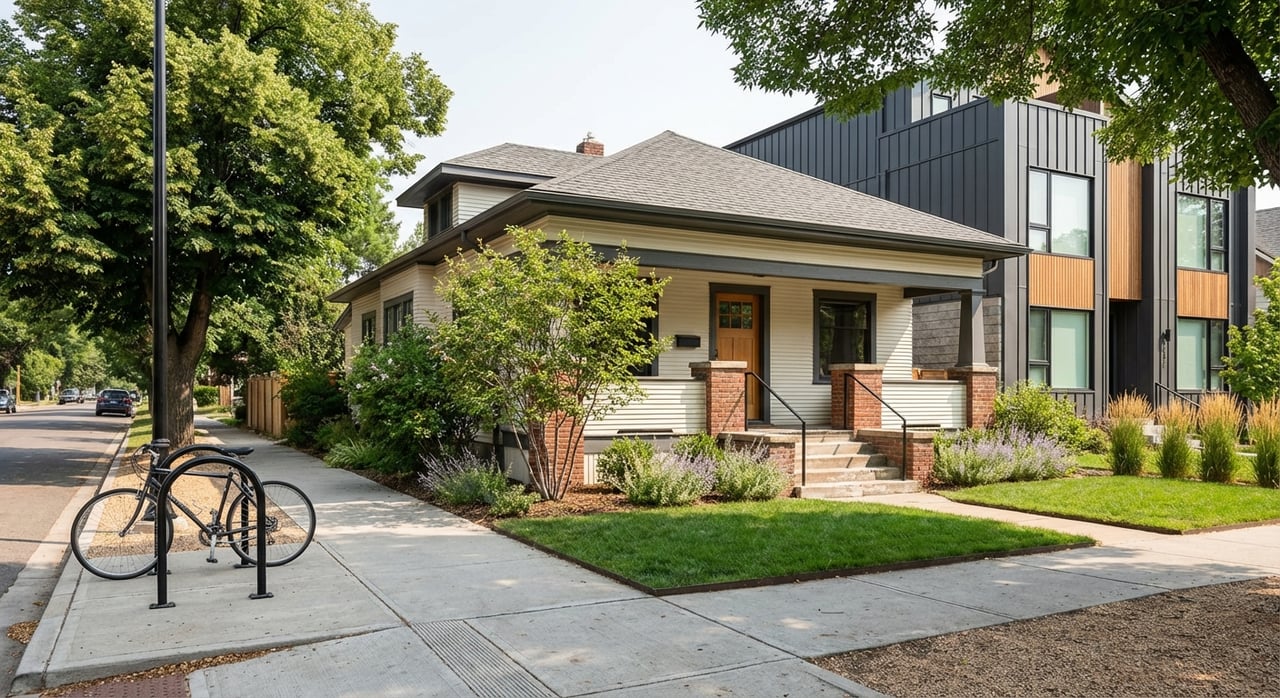
Is the appraisal going to make or break your home sale or purchase in Louisville? You are not alone if you feel unsure about what appraisers look for or how to plan for surprises. In this guide, you will learn what an appraisal is, how it works in Boulder County, what can affect value locally, and what to do if the number comes in low. Let’s dive in.
What a home appraisal is
An appraisal is a licensed appraiser’s independent opinion of market value, most often ordered by a lender during a mortgage. It helps the lender confirm that the home is worth the amount they are lending, which can affect your loan approval and down payment. You can find the core rules that guide appraisals in the Fannie Mae Selling Guide.
Appraisals must follow national standards called USPAP and state licensing rules. These standards are set by The Appraisal Foundation and enforced by state regulators. In short, the appraiser’s job is to be objective and rely on data.
It helps to know the three common value terms:
- Market value: what a typical buyer would pay in an open, arms-length sale.
- Appraised value: an appraiser’s professional estimate at a specific point in time.
- Assessed value: a value used for property taxes, calculated under different rules by the county assessor. To learn more about assessed values, visit the Boulder County Assessor.
Louisville market snapshot
At the time of writing (December 2025), Boulder County typically shows higher median prices and tighter inventory than many areas across Colorado. For the freshest numbers on prices, days on market, and new listings, review the latest reports from REColorado and the Colorado Association of REALTORS. These snapshots can help you understand why appraisals sometimes lag fast-changing prices.
How appraisals work in a loan
Most buyers will see one of these formats, depending on the loan and property:
- Full interior appraisal: the appraiser visits inside and out, measures, and photographs, then compares recent sales.
- Exterior-only appraisal: a “drive-by” with limited interior access when the loan risk is low.
- Desktop or automated valuation: the appraiser relies on data and photos without a site visit. Some lenders use this for low-risk loans.
- Program-specific appraisals: FHA and VA loans follow added rules and forms. You can see FHA details at HUD.
In each case, the appraiser studies recent comparable sales, active and pending listings for context, permits, condition, and location factors.
Timeline and cost in Boulder County
- Typical turnaround: about 3 to 14 business days from order to delivery. Complex homes and busy seasons can take longer in Boulder County.
- Typical fees: nationally about 400 to 900 dollars for a standard single-family report, with Boulder County often at or slightly above that due to home values and complexity. Your lender can confirm the current quote for your property.
Local factors that impact Louisville values
Louisville sits close to major job centers in Boulder and Denver, with popular micro-markets like Old Town and a mix of subdivisions. Here are local elements appraisers consider when choosing comparables and making adjustments:
- Views and lot topography: mountain views, orientation, and lot slope can create major value differences between similar homes.
- Environmental risk and insurance: wildfire risk and mitigation can affect insurability and buyer demand. For maps and guidance, consult the Colorado State Forest Service.
- Floodplains and drainage: Coal Creek and nearby drainage areas may place properties in FEMA flood zones, which can influence financing and insurance costs. Check the FEMA Map Service Center and county floodplain overlays at Boulder County Planning & Permitting.
- Historic or conservation rules: designations and easements can limit changes and influence value.
- Use and income factors: accessory dwelling units, rental history, and HOA rules may affect how appraisers analyze value. Lenders sometimes ask for an income approach when the property is income-producing.
What appraisers look for on site
During the inspection, the appraiser will focus on facts that influence market value:
- Size and layout: finished square footage, bed and bath counts, and floor plan functionality.
- Condition and quality: roof, systems, windows, finishes, and any deferred maintenance.
- Upgrades and permits: documented remodels, additions, and energy features, ideally with permits and receipts.
- Site and surroundings: lot size, views, location within the neighborhood, proximity to amenities.
- Comparables: recent closed sales of similar homes. If few exist, the appraiser may use a wider area with careful adjustments.
Seller checklist to support value
Before listing or while under contract, you can make the appraisal smoother and more accurate with simple preparation:
- Complete minor repairs and address obvious maintenance issues.
- Gather permits and paperwork for renovations or additions.
- Create a one-page summary of upgrades with dates and approximate costs.
- Provide a floor plan, measured square footage if available, and a concise list of comparable recent sales.
- Make the home easy to access, clean, and well lit for the interior inspection.
- Share documents for unique features, such as owned solar panels, EV chargers, or smart systems, including warranties.
Your agent can assemble a short Compendium for the appraiser that highlights local sales, market context, and your home’s objective features. Appraisers must remain independent, so keep the tone factual and supportive.
Buyer tips to protect your purchase
As a buyer, you can prepare for appraisal outcomes by planning ahead:
- Understand your appraisal contingency and deadlines in the contract.
- Ask your lender what appraisal type is expected and the usual timeline.
- If buying a property with rental potential, share leases or rent data if the lender requests it.
- If the value comes in low, be ready to review options with your agent and lender.
If the appraisal comes in low
Low appraisals can happen during rapid market shifts or with unique homes. You have several paths to consider, often used in combination:
- Renegotiate the price. Buyer and seller can meet in the middle or adjust terms to keep the deal moving.
- Increase the down payment. This can bridge the appraisal gap when the lender will not lend above appraised value.
- Request a Reconsideration of Value. Work with your lender to submit objective, better-matched comps and correct any errors. The process follows lender and investor rules in the Fannie Mae Selling Guide.
- Ask the lender about a second look. Lenders sometimes order an appraisal review or a second appraisal for complex cases.
- Explore concessions or timelines. Credits for repairs, rate buydowns, or revised closing dates can help both sides.
- Consider alternatives. Some buyers use bridge financing or adjust loan structure when allowed.
If you believe there is a serious error or ethical concern, you can review licensing and complaint resources with the Colorado Division of Real Estate.
Permits, ADUs, and special situations
Unpermitted work can limit how an appraiser credits improvements. When possible, pull permits before listing or provide documentation that clarifies the scope and quality of the work. For ADUs or income-producing spaces, organized rent data helps the lender and appraiser understand potential value.
For floodplains, setbacks, or other land-use questions, check the county’s maps and resources at Boulder County Planning & Permitting. For a tax-value view and past assessments, use the Boulder County Assessor. These sources support a complete picture of your property.
Local resources at a glance
- Appraisal standards and rules: The Appraisal Foundation
- Appraisal policies and loan requirements: Fannie Mae Selling Guide and HUD
- Licensing and consumer help: Colorado Division of Real Estate
- Market data and stats: REColorado and the Colorado Association of REALTORS
- Hazards and maps: Colorado State Forest Service, FEMA Map Service Center, and Boulder County Planning & Permitting
Ready to talk through your appraisal plan in Louisville? Whether you are selling or buying, I can help you prepare documentation, understand comps, and coordinate next steps with your lender while keeping the appraiser’s independence front and center. Reach out to Janet Leap to discuss your goals or request a free home valuation.
FAQs
What does an appraiser look at during a home visit in Louisville?
- Size and layout, condition, quality of upgrades, permits, site features, and recent comparable sales in the most similar nearby areas.
How is appraised value different from sale price?
- Appraised value is an independent estimate at a point in time, while sale price reflects the final agreement between buyer and seller, which can be higher or lower.
How long and how much do appraisals take in Boulder County?
- Turnaround often ranges from 3 to 14 business days, and fees commonly run about 400 to 900 dollars, with complex homes trending higher.
Can I give comps to the appraiser?
- Yes, provide clear, objective comparable sales with addresses and dates through your agent or lender, and avoid coaching on a target value.
What are my options if the appraisal is low in Louisville?
- You can renegotiate the price, increase cash down, request a Reconsideration of Value with better comps, or ask your lender about a second review.
Do wildfire and flood risks affect value or financing?
- Yes, risk and required insurance can influence buyer demand and loan terms; check official maps and resources to understand your property’s exposure.
Do unpermitted renovations reduce appraised value?
- Often, yes; appraisers may discount work without permits or lack of documentation since lenders prioritize permitted, verifiable improvements.
How do ADUs or rental income factor into an appraisal?
- If allowed by the lender and applicable to the property, appraisers may consider an income approach using leases or market rent data, along with sales comps.